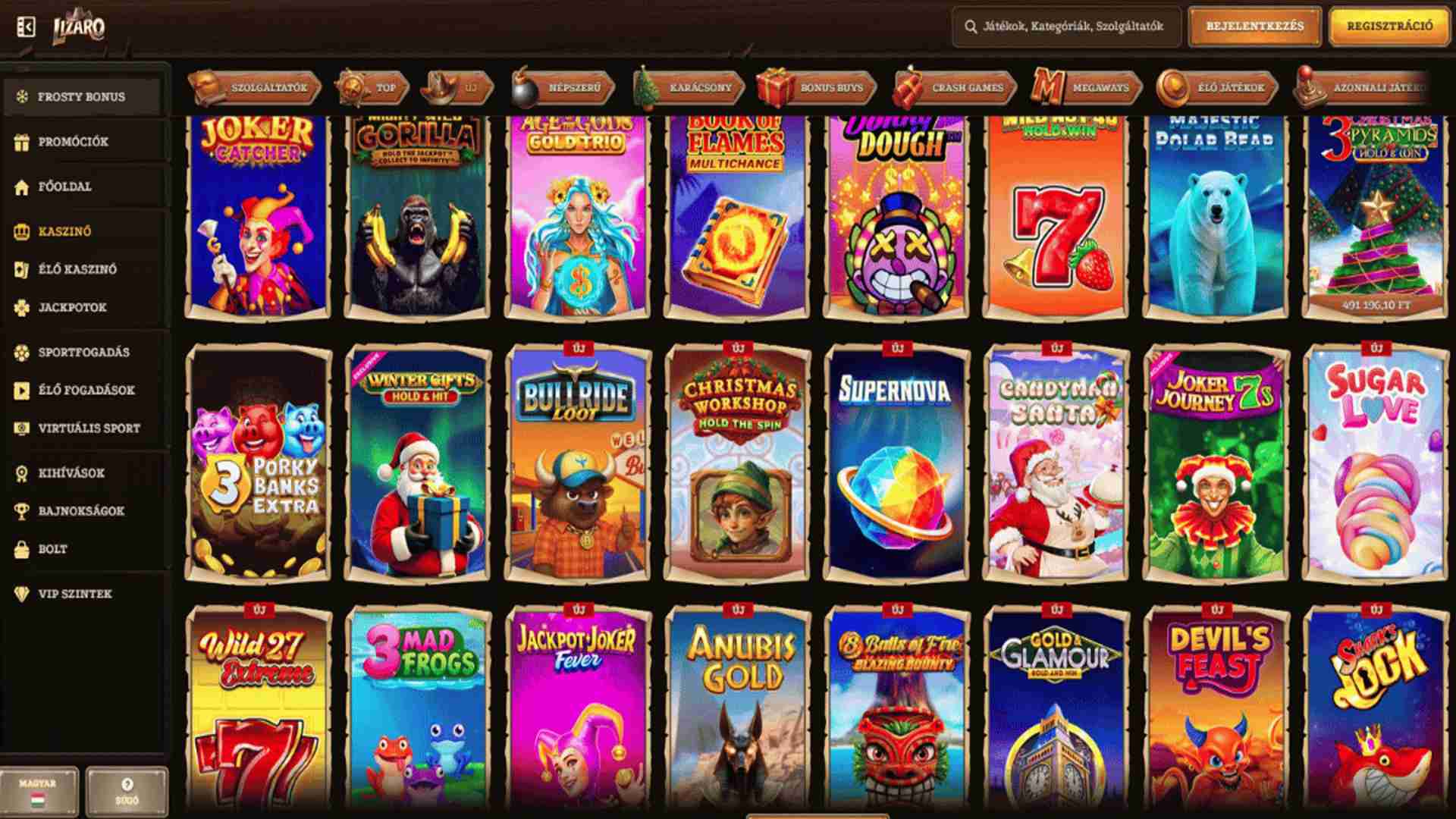
Modern interactive platforms have revolutionized user engagement by combining the thrill of unexpected bonuses with structured digital showcase libraries. At the intersection of these two concepts lies a powerful motivational loop that encourages long-term participation and community loyalty. By exploring how these systems interact, developers can create ecosystems that feel both exciting and deeply fulfilling for participants.
The Attraction of Chance-Based Mechanics
Unpredictable prize distributions tap directly into human psychology, sparking a natural anticipation that keeps users actively involved. When digital platforms offer random bonuses rather than fixed milestones, the resulting excitement shifts standard routines into memorable milestones. This variation prevents early burnout and ensures that every gameplay session provides a fresh opportunity for discovery.
Furthermore, the variable reinforcement schedule stimulates a steady curiosity about what might drop next. Users who want to discover reliable platforms with diverse digital entertainment choices can utilize an optimized M88 Sport login to explore controlled premium spaces. These environments masterfully demonstrate how unpredictable outcomes can be balanced with structured digital progression paths.
Structuring Digital Showcase Systems
While random drops provide initial excitement, virtual collections deliver the necessary long-term structure to keep participants invested over time. Categorizing rare virtual goods into digital display cases gives players a clear purpose beyond the initial excitement of winning. Watching a virtual catalog steadily fill up provides a strong sense of personal growth and milestone tracking.
These virtual reward collections often feature varying tiers of rarity, ranging from common items to ultra-rare legendary artifacts. This tier system naturally establishes an internal economy where certain items carry immense social status within the community. Consequently, the act of organizing and showing off these digital collections becomes a major component of user identity.
Balancing Unpredictability with Long-Term Goals
A successful virtual ecosystem requires a delicate balance between random chance and deliberate collection systems. If the odds of obtaining rare collectibles are too low, participants can easily become discouraged and abandon the platform completely. Conversely, making unique rewards too easy to obtain completely diminishes their perceived value and ruins the collection experience.
To address this challenge, contemporary developers often implement smart fallback mechanics such as crafting systems or token exchanges. These features ensure that even if a random drop is not what the player wanted, the duplicate item still contributes toward their eventual goal. This hybrid approach keeps the progression path feeling rewarding and fair for all types of users.
The Impact on Community Interaction
Virtual collections do not just motivate individual players; they also foster vibrant social interactions across entire online networks. When users possess rare items that others are actively searching for, it naturally creates a marketplace for trading and discussion. This social connection transforms an isolated gathering process into a cooperative experience that strengthens the community.
Furthermore, showcasing a completed set allows dedicated individuals to gain recognition from their peers. Many platforms now include public leaderboards or digital trophy rooms specifically designed to celebrate these dedication markers. This peer acknowledgement serves as a powerful secondary incentive that complements the primary collection mechanics.
The Strategic Future of Virtual Incentives
As digital landscapes continue to evolve, the technology behind virtual reward distribution is becoming increasingly personalized. Advanced platforms are now analyzing user habits to deliver customized reward pools that align directly with specific collection goals. This modern approach ensures that surprise mechanics remain relevant and engaging for an increasingly diverse global audience.
Ultimately, combining random distribution with virtual collection frameworks represents the modern standard for digital retention. When implemented with transparency and fairness, these systems enrich user experiences without causing frustration. As interactive entertainment moves forward, this balance will remain a cornerstone of successful software design.