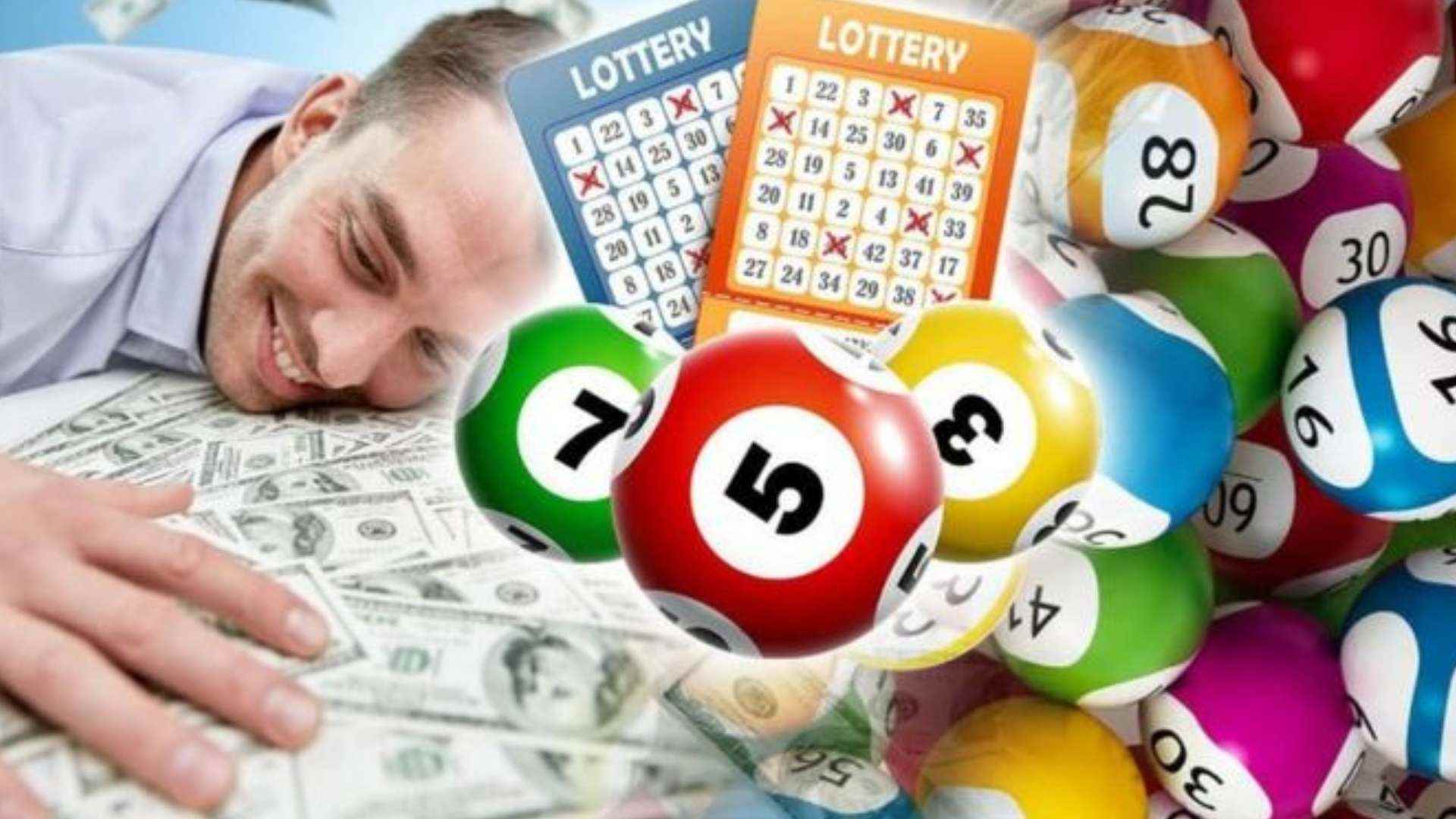
Human psychology is deeply influenced by the trajectory of events, especially when a desired outcome seems to be drawing near. Watching a preferred result approach triggers a distinct shift in our emotional state, transforming passive observation into active anticipation. This psychological transition creates a powerful mixture of hope, stress, and excitement that shapes how we experience games, contests, and daily choices.
The Biology of Visual Anticipation
When an individual perceives that a favorable outcome is close to happening, the brain instantly accelerates its chemical messaging. Dopamine surges through the reward pathway, creating a heightened sense of pleasure before the event is even finalized. This neurological response explains why the final moments of waiting often feel more intense than the initial phase of an event.
Our visual tracking mechanisms naturally lock onto the moving pieces that signify success. As the distance between the current state and the goal decreases, our physical focus sharpens significantly. This intense concentration can make the surrounding environment fade into the background temporarily.
The Cognitive Shift During Close Calls
As the preferred outcome draws nearer, our cognitive processing shifts from objective analysis to emotional investment. Individuals begin to mentally simulate the reality of winning, which raises the emotional stakes. This mental rehearsal can make the eventual reality feel much more impactful or disappointing depending on the final turn.
Many entertainment platforms utilize this specific cognitive loop to create memorable experiences for their users. For instance, players tracking potential rewards like a 奖金 m88 experience a rapid climb in engagement as the winning conditions begin to align. This psychological mechanics turns a simple mechanical event into a highly personalized narrative of triumph or near-miss.
Managing the Anxiety of Near Success
While the approach of a desired result brings excitement, it also introduces a sudden wave of situational anxiety. The fear of a sudden reversal or a last-minute disruption creates a tense mental friction. This emotional duality is what makes live events and randomized games so captivating to watch.
Learning to navigate these rapid emotional spikes is a key part of maintaining healthy engagement with games of chance. Recognizing that anticipation is a natural sensory response helps observers stay grounded during intense moments. Ultimately, understanding these emotional patterns allows us to appreciate the thrill without being overwhelmed by the pressure of the final outcome.